Our Archive

Blog Archives

Dropinceo > Blog >

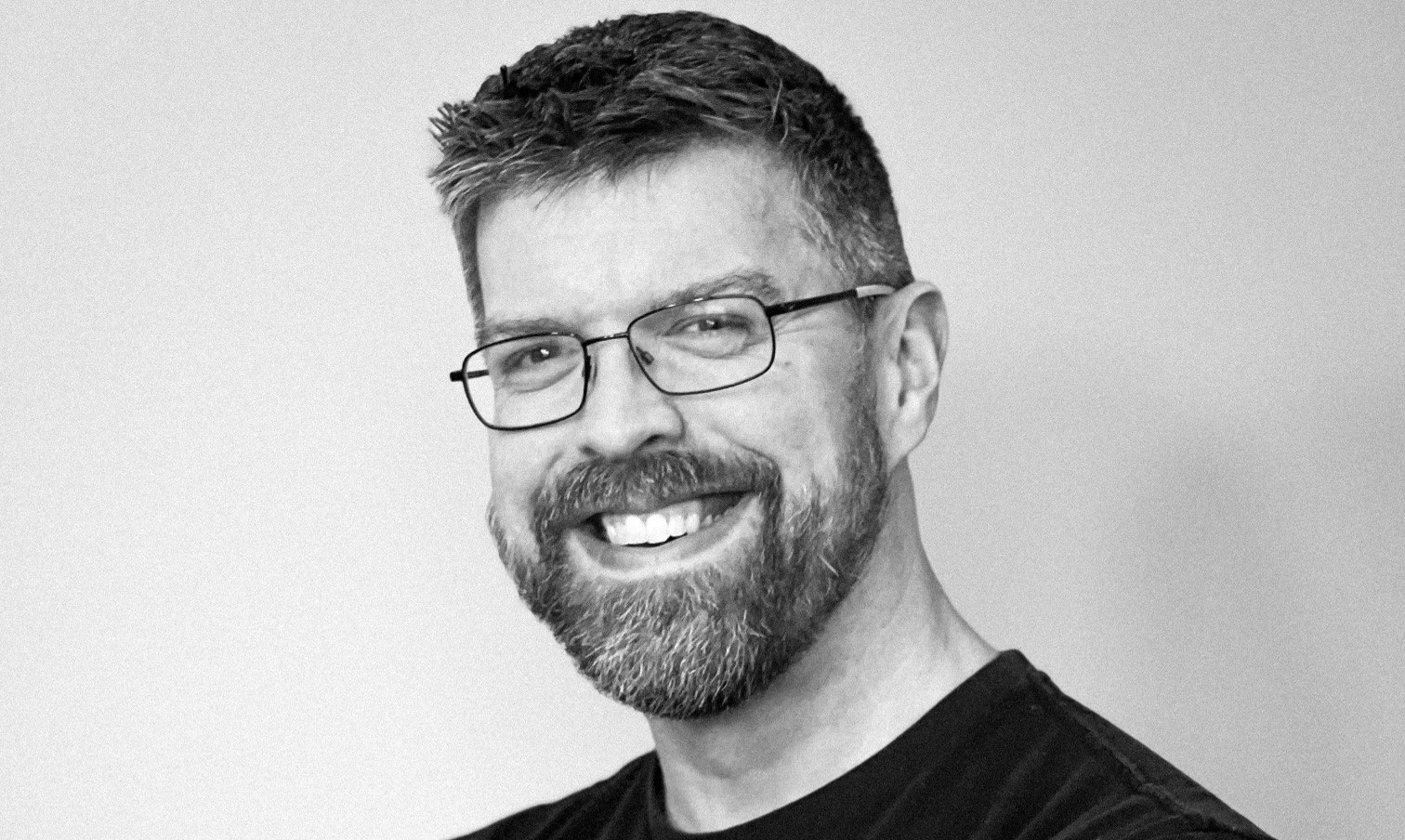
Guest Writer: JL Heather

Media3L is the media arm of The Drop In CEO Brand which stands for Lift, Light and Lead. I like to shine a “Light” on valued partners in my network for which I have the pleasure of knowing JL Heather, Managing Partner and Principle Executive Coach at Centered. Enjoy his through leadership on Innovation and I encourage you to reach out to him and add him as a valuable resource to your network!

Innovation is the lifeblood of long-term success. Yet for many organizations, it remains elusive—a buzzword that sounds great in strategy meetings but struggles to deliver tangible results. Why? Because innovation isn’t a single initiative or a job title. It’s a system—a series of deliberate, interconnected actions that foster creativity, collaboration, and execution.

As a CEO, your role is to ensure that system works. It’s not about micromanaging ideas or dictating solutions; it’s about creating the conditions for innovation to thrive. Based on what we’ve seen at Centered, here are three key strategies to drive real impact from your innovation programs.

1. Understand Your Organization’s Innovation Readiness

Before you can foster innovation, you need to know where your organization stands. Are your teams aligned around shared goals? Do they have the resources, autonomy, and psychological safety to explore new ideas? Understanding these dynamics is critical, yet many leaders skip this step and dive straight into initiatives without assessing their starting point.

Take the time to evaluate your organization’s innovation readiness. Look at the alignment of your culture, processes, and leadership behaviors. Ask tough questions: Are teams encouraged to experiment, or is failure quietly punished? Do your systems and structures make collaboration seamless or stifle it? Knowing these answers helps you identify where to focus and how to unlock your teams’ potential.

2. Embrace Agile Problem-Solving Frameworks

Innovation isn’t a linear process. It’s iterative, messy, and often requires rapid adaptation. To move fast without breaking the wrong things, CEOs should champion frameworks that encourage structured experimentation, such as design thinking or agile methodologies.

These approaches allow teams to prototype, test, and refine ideas quickly, reducing the risk of overinvesting in solutions that don’t work. By embedding agile problem-solving into your organization, you create a culture of progress over perfection—a mindset that helps teams focus on outcomes rather than bureaucracy. Encourage experimentation, celebrate learning from failure, and model the value of adaptability.

A great way to dive in is with a Design Sprint!

3. Build a Leadership Culture That Enables Innovation

Innovation thrives when leadership inspires it. As a CEO, your behavior sets the tone for how teams approach risk, collaboration, and creativity. Are you creating space for exploration, or are your priorities sending a message that execution always outweighs experimentation?

Focus on building a leadership culture that balances vision and trust. Ensure your leaders know how to foster collaboration across silos, encourage open dialogue, and provide psychological safety for teams to take smart risks. Invest in developing leaders who can empower their teams and remove barriers, rather than micromanaging outcomes.

Your Role as the Innovation Enabler

As a CEO, you don’t have to be the source of the best ideas—but you do need to create the conditions for those ideas to emerge. This means understanding where your organization is today, equipping teams with the right frameworks to move forward, and setting a leadership example that prioritizes growth, experimentation, and adaptability.

Innovation isn’t just about big, flashy ideas; it’s about building the systems and practices that make creativity a repeatable, scalable process.  By focusing on readiness, agility, and leadership, you can build a system that delivers innovation not as a one-time win but as a repeatable, scalable process.

The question isn’t whether your organization can innovate—it’s whether you’re building the system to make it inevitable.

About Centered

At Centered, we empower your organization to innovate boldly.

By fostering a culture of experimentation, inspiring leadership, and building high-performing teams, we ensure your business continually adapts and thrives in a changing world.

Comments



Read More

When my husband announced we would have new hardwood floors & carpeting on the 2nd floor in our home, I was elated with the change. When my entire world was disrupted that Monday and had to re-arrange all my plans, I did not respond well. What happened? My husband communicated the change. He gave me the details of what to expect. He was frustrated we did not appreciate the process for which I felt really bad. The breakdown came because communication fails when we don’t have two-way understanding of the impact. Let me share more so you don’t make the same mistake in business.

Leaders cascade initiatives and deploy change agents so communications happen throughout the organization. The presentation is polished, videos are recorded and townhalls arranged in hopes that the organization understands the impact. The key word is “Hope”. Where leaders fall short is they invest the communication and not on the outcome of understanding.

A few ideas that can help a leader though this issue to avoid conflict, irritation and dissention among the rank and file.

Invest in Understanding as the outcome of what you’re trying to achieve. The communication is simply the vehicle towards understanding.

  • Ensure you cascade in detail the change and the expected impact
  • Ask people if they can articulate the impact to their work; confirming understanding.
  • Ask people to raise issues associated with the event that were not considered and with open discussion, you can ease the tension.

It’s not rocket science, but when we ask people to think in terms of outcomes and impacts from the end user perspective, we realize we have a lot to learn about communication. Remember the telephone game where what starts out as one message is degraded by the time it gets to the last person.

As leaders we have a responsibility to assure that what we communicate is understood; else we fail to be leaders.

Getting back to my situation; I was banned from my office for two days and could not function in a noisy home that transcended all three floors. There was no escape, so I needed to adapt. I found work arounds, including my basement for which I was able to continue doing business. I later recorded a video thinking I had a virtual background that later failed and I was recording my basement background! How embarrassing, but it added to the humor of the situation and I might say a fun recording!

The next time you have to communicate, change your mindset that you’re in the business of effecting understanding for a better outcome!

If you’d like to discuss how we can build this competency into your team, let’s talk!

Until then, wishing you better Two-Way Understanding!

-Deb

Read More

I was a bit upset when I facilitated an introduction that would be beneficial to both parties and one person did not respond. I gently reached out to them wishing them well and asked if they had received the introduction. They responded quickly saying it must have gone to their spam folder for which they quickly retrieved and did the follow up. I’m grateful my intervention may help in the conversation, but how often is this the ‘excuse’ that we give to others?

While SPAM folders provide a purpose to protect us from unwanted messages; given we know there are things in there that may not belong, why do we not manage that? In the end, when we don’t mitigate the risk of potentially missing a communication and blame it on the SPAM folder, what does that do to the relationships we do want to nurture? Quite frankly, it sends a bad signal when we give that as an excuse.

As leaders, we need to put in place systems that assure us that we reduce risks in missing transactions or communications. Customers don’t accept communications going to SPAM. Then why do we think it’s acceptable to use this as an excuse for our other interactions? I simply want you to think about your lack of managing your systems reflects poorly to those who are impacted by them.

Instead, I recommend the following:

  • You or designee review the SPAM folder daily and any missed communications, send your apologies for the delay and take ownership of it.
  • Create additional rules in your mail system that “if” and “from” important people or entities, to send them to another folder or mark them for follow up.
  • Unsubscribe from all mailing lists that you don’t want so your name / email is not shared with other mailing lists; causing more SPAM to go to that folder and possibly missing something important.

While technology has become a life savor for us from an efficiency perspective, over utilization and dependency can be our demise and ruin relationships.

So, the next time you find an important communication in your SPAM folder, what will you do? Blame the system or will YOU take accountability for the relationship?

For more opinions from The Drop In CEO, consider reaching out to me for a conversation and maybe I can provide content value for you and your platform or organization!

I offer panel discussion, speaking, content writing and internal podcasting for your organization. Let’s talk about the offers that provide you or your organization value!

-Deb Coviello, The Drop In CEO

Comments

Read More

When a CEO calls me to discuss a potential challenge, I run towards that opportunity with all the energy I can. You see, I can see that CEO in ways they cannot imagine. All I want to do is rush into the chaos to gain the clarity they are seeking to avoid the crisis that is looming.

In full transparency, let me share with you how I operate and if you’re my CEO who is in the same place, read on to see if you want to work with me!

Step 1: Listen to the CEO, but dig deeper

The CEO provides much insight into their world and often advices where they think the problem is. This is very helpful, but please know you commission me to see what you cannot see. I’ll validate your concerns, but I’m going to give you the systemic conditions that need to be addressed as well.

Step 2: Give you more than what you asked for

You see, I believe in providing tremendous value and see the world from the CEO perspective. Yes, we will “whack-a-mole” in what is obvious. I will also look at your landscape with lenses in Quality, Operational Efficiency & Waste, Environmental Health & Safety, Food Safety and Leadership. Be ready for a systemic implementation approach whether you hire me or not

Step 3: Distill the information into consumable and actionable chunks.

Life is complex, but feedback should not be. I will give it to you straight leveraging the SWOT approach and reveal or confirm what are your organizational Strengths and Opportunities. You can accomplish so much more by leveraging these insights than the Weaknesses and Threats. When it comes to the bad stuff (sad face), I position it so it focuses on Conditions & Management Practices. Fix those deeper issues and you fix it through-out the organization. You may not like what I say or become defensive, but you, the CEO hired me to show you the way, not what you want to hear

Step 4: Deliver with Gratitude

Maybe this should have been Step 2 or 3, but just know throughout the process, I am in deep gratitude to you for giving me the opportunity to see your world and help you navigate the challenges. I will use my 35 years experience to provide my best insights, but I will never give you my 5 step approach because it simply will not work. You and your organization are unique and like a surgeon, will apply the specific cure for your situation.

Step5: It’s a partnership

I care about you as a person and your organization that you take so much pride in. We collaborate on the insights and prioritize together; walking arm in arm. I’m in it for the long game as are you and I simply want to see you succeed.

So, this piece today was inspired by an amazing conversation I had with a CEO and VP yesterday and validate to me the work I’m best suited to do as The Drop In CEO.

If you are having a feeling in your gut that the near term chaos may manifest into a crisis without your leadership, act now and trust yourself. A partner such as The Drop In CEO may be who and what you need to elevate your leadership, shine a light on the people in your organization and solidify your Legacy.

Let’s talk!

-Deb

Read More

I wrote “The CEO’s Compass: Your Guide to Get Back on Track” to lift up CEO’s by exploring their Hero’s Journey through the unknown, guiding them to their own Peace of Mind in 2021.

I was so grateful when it came out to share autographed copies and seeing the book sales in Amazon and other outlets. I thought I had hit the big times and then someone said to me, ‘is it available on audio?’ and then I realized I fell short of meeting my audiences needs.

The same thing goes for business; when leaders think the presentation or the email is enough to cascade a proclamation; I would say they miss the mark in communication and truly influencing an outcome. When a leader shows up with their voice and intonation, we connect with humanity on a different level. Know your market and communicate accordingly!

That is why I’m announcing that starting tomorrow, I am recording the audiobook for The CEO’s Compass and can’t wait to get it to my audience who prefers my voice. Yes, Deb’s voice will read the book in a way that I hope connects with you intellectually and emotionally; ultimately leading to Peace of Mind.

I’m excited to partner with David Wolf and his team at Audivita Studios | Audiobooks | Podcasts for this new media offer.

Anyone wishing to advocate for this offer, please DM me and I’ll share with you the marketing details.

Many thanks for everyone who has supported me along the way and for those who come knocking on my door in the future, I thank you in advance as well.

-Deb

Read More

To all my followers over the years, I sincerely want to thank you for your support and engagement with my content. It fuels me to continue this work which lead me to form Media3L, the media component of The Drop In CEO brand. With that stake in the ground, I need to scale and I’m in search of creatives who want to share their insights on my platform. I will continue to create, but periodically I need to recharge or spend my energy in further growing this part of my business.

Full transparency, this is an uncompensated role at this time as we’re piloting growth of The Drop In CEO brand into more copy and potentially a digital magazine. There is a name for it, but keeping it close to the vest until the concept is fully vetted. Based on the response to the article, it may lead to guest appearances on the podcast or joining me on my weekly show; Deb Coviello-Live Talk Media.

Benefits of this offer is access to 9600 followers on LI and 1300 people on my mailing list and publication on my website indefinitely. As we grow, so does your access to my audience.

If you are interested , please DM on Linkedin or email me at deborah@coviellocm.com.

I’m excited to meet you and grow this brand together!

-Deb

Read More
Photo by Tim Mossholder: https://www.pexels.com/photo/help-wanted-sign-on-glass-5737622/

Job Title: Ideal Client

Job Description: You must be a highly aware leader who is open to new ideas and responds to your gut when you know you need some help. The perfect client is one that sees the landscape changing and realizes that unless you course correct now, you will sink the ship and everyone in it. With this important responsibility, you must also be people centric; knowing that with any improvements, you must also improve the capability and capacity of your team. If you don’t move fast, they will sink the ship for you. Finally, you are keenly customer focused and everything you do is in service to them and everyone has their back whether it is quality, service or safety. Cost is secondary.

Additional Qualities: You’ve come to a cross road where you know you can only see the trees and that’s okay. You realize you need an external view to give you the perspective of the long term strategy needed to not only fix your concerns, but manage them sustainably. That takes a trusted partner whether you call them a Consultant, Advisor, Fractional Leader or a new category, a Drop In CEO who will partner with you during this time.

Desired Skills: An open mind, agility, strategic thinker, good listener, good communicator, steadfastness for the greater good and always seeking to improve themselves and the people in their care.

Fine print: This is not a pitch for services, but a humorous attempt to get you to think differently about yourself and how you lead. I do of course want to work with my ideal client and have those tremendous feelings of vibrating off their energy and achieving amazing results. But it’s also a message to CEO’s/Presidents/CxO’s to assess if you would be an ideal client for someone who might be able to support you during a challenging time.

How to apply: We are an equal opportunity employer of The Ideal Client and seek diversity in all aspects of your thinking, background, culture and leadership. We do not discern with physical attributes, but for those who are diverse in all other aspects. Reach out to us at deborah@coviellocm.com or DM me on Linkedin or my website; I’m here 24/7 and ready to take your call!

And until we meet and discuss how we can partner, I wish you well and much success in applying for your next opportunity!

-Deb

Read More

I was 5 months pregnant with my 3rd child as I saw the world collapse in front of my eyes. I called the nanny who wanted to know if she should pick up the kids from school and I said yes and then I departed home to be with my family.

My husband was busy getting supplies from his company and sending them to NYC.

Fast forward to October 2023, my son was rounding up supplies from his military resources and arranging to get them to medics he knew in Israel.

These events; many in the past and more to come in the future are ones to reflect that the balance between peace and crisis is very delicate.

Today is a day of remembrance, but also a sign for the earth, our nation, your business, your families and yourself to realize that awareness of crisis & risk is a constant; yet awareness is not enough.

Taking these historical moments not as a warning of doom and gloom; these should be sources of inspiration for heightening our awareness of what is looming in our daily life and work and to seek paths of reducing risk.

Yet time and time again, I see leaders delay exploring the risks that they’re already aware of, but take no action. Worse yet, the ignore what they don’t know and then claim ignorance when they rear their ugly head.

Why is that?

I’d prefer to meet each one of you during a time of peace and prosperity and assess your systems & human dynamics risks in the organization to prevent history from repeating itself.

Remember, you are in control of the future with the awareness that action is needed now to prevent a crisis, not thrive in one.

Look at the image again and reflect on your perspective. Could it have been prevented? Maybe not. Could we have been better prepared? Probably and we did with unity of our country in the face of disaster.

When my husband and I were watching TV watching the world around us collapse, we were grateful we were safe. We averted our own crisis. While we don’t live scared, we live prepared for what the unknown comes our way.

If you are in a situation as the leader of an entity and are aware their are issues that could collapse your domain, what would it take to simply have an assessment and glean insights and the courage to take action to prevent a collapse?

I leave you with that parting thought not to scare you, but to remind you, you don’t have to do this alone.

It’s now 8:47 am and the world forever changed over the next few hours.

Let us all now take a moment of silence to remember those who are no longer with us.

Let us remember our pride as Americans.

Let us take these sorrowful memories and have the courage to live with awareness and action!

-Deb

Read More
Photo by Kelvin Valerio: https://www.pexels.com/photo/man-wearing-black-cap-with-eyes-closed-under-cloudy-sky-810775/

“Managing Up” became my tool of choice to connect with this C-Suite Leader and align on the challenges and the treatment going forward.

Once we aligned on a go-forward game plan, they came into my ecosystem again and quickly realized we lacked some fundamental ways of working and accessible resources to move the initiative forward.

Once they could observe first hand the conditions were not conducive to getting the desired result, their leadership came through to address the conditions.

The change in their energy and the clarity that came to the team on next steps forward were magical!

By addressing the conditions that were barriers of progress, we may have solved this issue and many others; ultimately getting to more efficient, effective and sustainable results.

When I saw the clarity in the team and an action that made sense, I was starting to feel peace of mind we would get to a better place.

I can only hope that with time and “Managing Up”, this leader will also see and feel “Peace of Mind”, where barriers are broken down and the team can operate at top performance. In doing so, the customers will gain back trust.

So why do leaders still use the old playbook? Maybe they know no other way? Maybe they trust it so much that if they push harder, it will still work? That’s insanity as we know it and only the highly aware leader will pursue a different way of working.

In recent weeks, several of you have come to me, sharing your challenges. I am grateful for those relationships and trust. But when I called “BS” on their thinking, I jolted them into realizing they were creating their own chaos and could not see a better way.

In one case, I told the person that they are the CEO even though not in title. It was on them to act and behave that way because others needed their leadership.

In other case, the person was making course corrections in their career. They were pursuing the same line of work when I showed them it was not for them. They focused on the past playbook to deliver in the future. Instead I said to focus on what they’re amazing at and differentiating than the rest. Only then, will they achieve peace of mind in pursuit of purposeful work.

For those who don’t trust yourself or think they don’t need a partner, I wish you well living “Groundhog day”.

For those who are highly aware leaders knowing the old playbook doesn’t work, let’s talk.

I sincerely care about you and I want to see you succeed. Until then, I wish you well!

-Deb

Read More

You know I’m talking to you; you’re amazing at your leadership and have ascended the ranks and praised for your results. But now you’re in chaos; maybe even crisis and you wonder what has changed? I’ll tell you… the conditions, the unplanned for risks and even loss of a key leader are things you didn’t plan for, so who’s to blame? Quite frankly, I find it is the leader who persists with the same playbook with different conditions and expects the same result. Time to reflect on your own leadership or else it will be your demise.

Pro Tip:

  • Pause and reflect on your leadership style. Does it need to change? Do you need to adopt a new mindset that may require leaning on the help of others or bring in experts. Unless you move to being highly aware of yourself, then nothing will change your circumstances
  • Assess if you’ve been leading towards results or outcomes. Those that pursue results are destined to relive the cycle of missing the targets and then beating the teams into getting the results. That’s not leadership. When we lead with purpose and ask teams how can they achieve certain outcomes, you leverage the collective creativity of your team to solve bigger issues, not short sighted results that undisciplined leaders focus on.
  • Close the internal gaps within your teams and unleash their potential. When you focus on the human capacity, capability and confidence, they will achieve more. These are also leading indicators of future success. Look also at the interactions of team members or organizations and coach their ways of working and service level agreements. When you close gaps in the human dimension, you set the stage for sustainably reaching your results.

These are simple to say, but without the right mindset and behaviors, leaders are unable to change the cycle of going into chaos because they’re playbook is incomplete or they need a new one. I’m curious if you agree or have alternative views. I’ve had people say sometimes external factors “force” leaders to behave in certain ways. I get that, but I wonder then are these the organizations we as leaders should be working in? I’m not saying we should quite tough organizations, but then leaders need to have the courage to focus on changing the culture and show true leadership or else seek a different environment where they can use the same ole playbook and claim success.

The greater outcome is to reflect upon our leadership and ask if we were truly meant to lead. If yes, do you have the courage to try a new playbook?

If you’re curious or would like to dialog around this, let’s talk.

I’m forever in service to you and wish you much success-Deb


Read More